
The History of Kingston
Kingston Presbyterian Church’s story is closely woven into the history of Conway, South Carolina. From a colonial congregation on Kingston Bluff to the sanctuary that serves us today, this sacred place has brought generations together in worship and community.
Our Colonial Beginnings

Historical records document an active Presbyterian congregation in the village of Kingston by 1756. John Baxter occasionally preached here before 1754, and the Reverend William Donaldson became the first known regular minister. He accepted the congregation’s call on February 7, 1756, and served until his death in 1759.
The original brick meetinghouse stood on Kingston Bluff, overlooking Kingston Lake, and faced west along present-day Third Avenue. Built on the village commons, it was the first recorded church building in the settlement later known as Conway.
By 1795, the congregation appears to have disbanded. That December, Methodist Bishop Francis Asbury recorded preaching in the former Presbyterian meetinghouse, which had been repaired for Methodist use. The building is believed to have been destroyed during a great storm around 1813.
A New Beginning in 1858
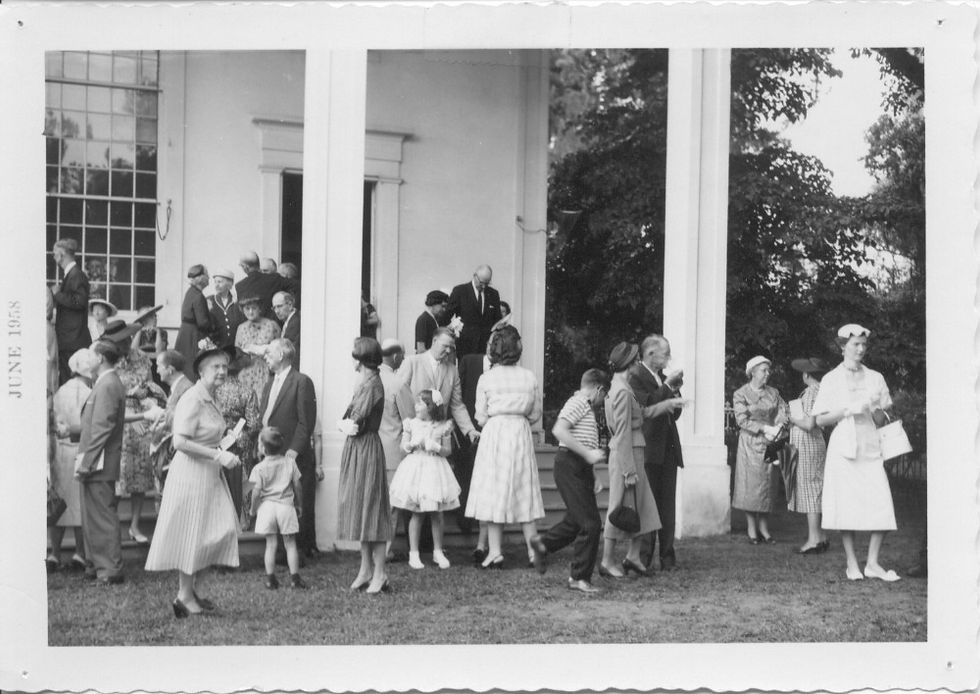
An effort to reestablish a Presbyterian church began in 1855. In 1858, the present Greek Revival sanctuary was completed beside the site of the colonial meetinghouse.
On May 30, 1858, the first service was held in the new sanctuary, and the present Kingston Presbyterian Church was officially organized with five charter members.
Construction was directed by Otis Eaton, a master builder from Maine who had come to the area to build ships. His craftsmanship remains part of the sanctuary’s character, including its wide heart-pine floorboards and structural features associated with wooden shipbuilding.
Inside Our Historic Sanctuary
The sanctuary has changed over time while retaining reminders of its earliest years.
Originally built without a steeple, the church received one in the late 1800s. Following damage from Hurricane Hazel, it was eventually replaced with the present steeple in 1962.
The church bell, dated 1860, reached Kingston after a remarkable journey. The first bell ordered was lost at sea. A second shipment also sank, but its cargo was recovered, allowing the bell to reach the church. It hung in the churchyard for many years before being placed in the steeple.
Other historic furnishings include an 1879 chandelier and an original pew preserved in the vestibule. An addition built in 1931 provided classrooms and space for fellowship.

The Historic Churchyard
The grounds surrounding Kingston began as the village burial ground, with burials dating to the 1700s. Many early graves were marked with wood, and those markers have long since disappeared.
The oldest surviving marker identified in the church’s historical records belongs to Elizabeth R. Singleton, who died in 1815 at four years old. The cemetery also contains notable examples of Victorian gravestone art and preserves the stories of generations of local families.
The churchyard remains sacred ground and an important part of Conway’s history.

Growing Through the Generations
As Kingston’s congregation grew, so did its spaces for learning, fellowship, and service. An educational building was dedicated in 1956, followed by another educational building begun in 1977.
In 1988, the church purchased the Perry Quattlebaum House to provide a gathering place for its youth. Additional property acquired in 1989 later provided classrooms for adults.
Kingston also helped establish Presbyterian congregations throughout the surrounding region, extending its ministry beyond Conway.

Preserving Our Heritage
Kingston’s sanctuary and cemetery are recognized in the National Register of Historic Places. The church is also recognized by the American Presbyterian and Reformed Historic Sites Registry for its significance to the Presbyterian tradition.
Our history is more than the story of our buildings. It is the story of the people who have worshiped, served, and cared for this community—and the generations who continue that work today.

